
TL;DR
Becoming an accidental landlord usually happens for one of four reasons: a sale that didn’t close, a relocation on someone else’s timeline, an inherited property, or a starter home you outgrew before selling. The owners who struggle most aren’t the ones who end up renting, they’re the ones who wait too long to decide anything at all, or who treat the property too casually once they do decide. Seattle’s for-sale market is currently seeing longer days on market and more price reductions above $800K, which is exactly what’s pushing more owners into this situation right now. Run the real numbers on renting, selling, and waiting before you decide, and if renting is the answer, treat it like a real business, not a temporary inconvenience.
Why This Happens More Than People Think
A few situations create accidental landlords again and again:
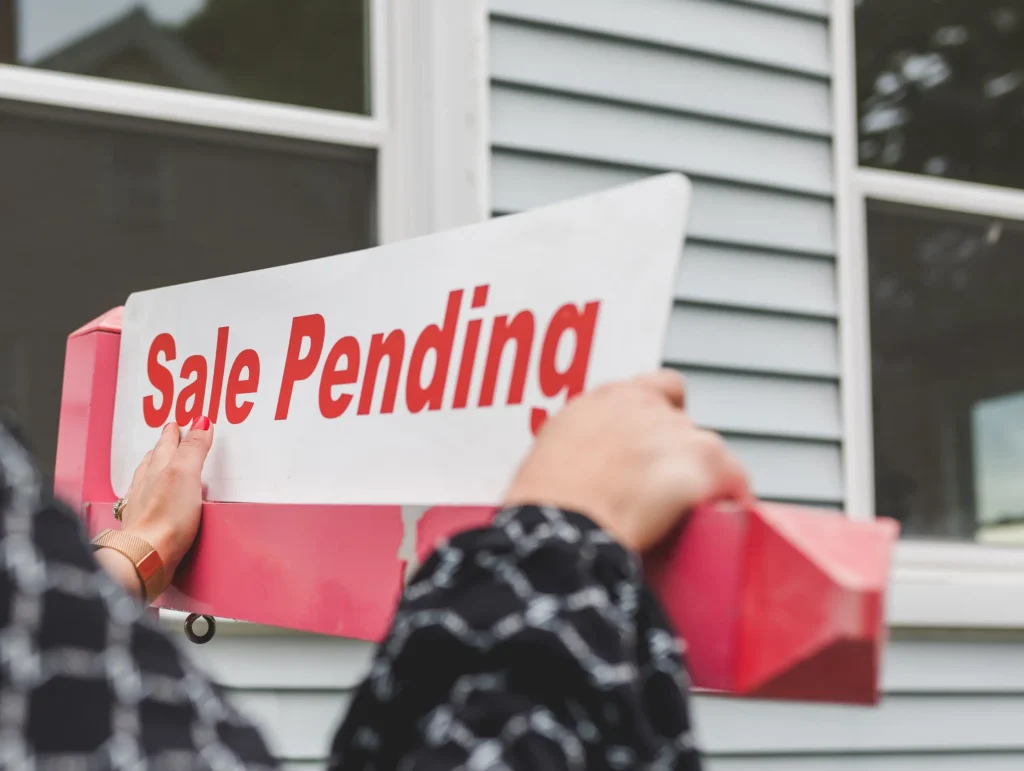
A sale that didn’t close. The house sat on the market longer than expected, an offer fell through, or the numbers simply didn’t work at the moment you needed them to. Seattle’s for-sale market is currently showing longer days on market and rising price reductions, especially above $800K, which means more owners than usual are finding themselves here right now. If that’s your situation, our breakdown on why now may not be the right time to sell your Seattle rental property walks through the hold-versus-sell math in more detail.
A relocation on someone else’s timeline. A new job, a family need, or a lease deadline forced a move before you could sell. If this is you, our guide on how to rent out your home when you have to move for work covers the logistics of turning your current home into a rental on a compressed timeline.
An inherited property. You’re now responsible for a house you didn’t choose, often in a location you don’t live near, with no rental experience to draw on, frequently while also settling an estate.
A starter home you outgrew. You bought your next place before selling the first one, and now you own two properties instead of one.
None of these situations make you a landlord by temperament. They make you one by timing. That distinction matters, because the mistakes accidental landlords make usually come from treating the property like a temporary inconvenience instead of a real asset that needs real decisions.
The Two Ways This Goes Wrong
Mistake one: renting it out too casually. Because the plan was never “become a landlord,” it’s tempting to skip the parts that feel like overkill: a real lease, a real screening process, a fair-market rent. Owners in this position often take the first applicant who seems nice, price the rent low just to get it filled, and skip a background or income check because the process feels excessive for something that’s “just temporary.” This is exactly how good-faith accidental landlords end up with a tenant who stops paying, a property that gets damaged, or a lease that’s unenforceable when something goes wrong. Washington’s Residential Landlord-Tenant Act applies to you the same as it applies to a landlord with twenty properties, whether you meant to be one or not.
Mistake two: resenting the property into neglect. The opposite problem shows up just as often. An owner who never wanted to rent starts treating maintenance requests as an annoyance, responds slowly, and lets small issues sit. Tenants notice. Turnover goes up, vacancy follows, and the property that was supposed to be a bridge to your next decision turns into a drain on your time and your income.
Rent, Sell, or Wait: Running the Real Numbers
Before deciding anything, it helps to actually run the numbers rather than go on instinct.
What would renting it out actually net you? Take a realistic market rent, not a hopeful one, and subtract mortgage, property taxes, insurance, and a reasonable maintenance reserve. Use a tool like our free instant rental analysis to get an actual number for your property rather than guessing.
What would selling right now actually net you? Factor in agent commissions, closing costs, any repairs a buyer will ask for, and whatever price the current market will realistically bear, not the price it might have gotten two years ago.
What does waiting cost you? Carrying costs continue whether the property is producing income or not, and there’s an opportunity cost on the equity sitting in it. There’s also a real, if harder to quantify, cost to the stress of an unresolved decision hanging over you month after month.
Rent vs. Sell vs. Wait: A Quick Comparison
| Rent It Out | Sell Now | Wait and Decide Later | |
|---|---|---|---|
| Upfront cost | Minimal if the property is already livable | Agent fees, closing costs, possible repairs | None, but carrying costs continue |
| Monthly cash flow | Rental income offsets mortgage and expenses | None, one-time proceeds instead | Negative; no income, full carrying costs |
| Time commitment | 5 to 10+ hours a month, or none if professionally managed | Low once listed and sold | Low, but the decision itself carries mental load |
| Market risk | Low; rental demand is steadier than sale price swings | High if the for-sale market is currently soft | Ongoing exposure to both markets |
| Best for | Owners who can hold 12 to 24 months or don't need the equity now | Owners who need the cash now or don't want to manage a rental at all | Rarely the best option financially |
What Doing This Right Actually Looks Like
If renting is the answer, even temporarily, the property deserves the same rigor a deliberate investor would apply:
- A lease that holds up, with clear terms on rent, maintenance responsibility, and what happens at renewal, compliant with Washington’s notice and disclosure requirements
- Real tenant screening, income verification (most landlords require 2.5 to 3 times the monthly rent), rental history, and background checks, not a gut feeling
- Rent priced at actual market value, not a guess based on what the mortgage costs
- A maintenance plan and a system for handling repair requests within Washington’s required timelines, so small issues get handled before they become expensive ones
- A move-in condition checklist and proper security deposit handling, since Washington law requires a written condition report and a 30-day window to return the deposit or an itemized statement of deductions
This is precisely where most accidental landlords benefit from handing the operational side to someone else. You didn’t sign up to learn Washington’s landlord-tenant law or manage tenant screening on a compressed timeline, and you shouldn’t have to. Check out our comparison guide of the best property management companies in Seattle to see who can help. Our full-service property management exists for exactly this situation. If you want the complete step-by-step version of everything proper rental management involves, our complete landlord guide to managing a rental property covers pricing, screening, maintenance, and Washington compliance in full detail.
SJA has managed over 1,000 residential properties and $500M+ in real estate assets across King and Snohomish Counties over 16+ years, including plenty of owners who started out exactly where you are now: not sure they ever wanted to be a landlord at all.
Signs You're Ready for Help, Not Just Advice
You don’t need to have this all figured out before reaching out. These are the moments accidental landlords usually realize they need more than a checklist:
You’ve been sitting on the decision for more than a month. Every month of indecision is a month of carrying costs with no income offsetting them.
You inherited the property and don’t know its condition, its history, or local rules. A property manager can step in immediately and get you oriented while you handle everything else on your plate.
You’re relocating and won’t be nearby to manage it. Distance turns small issues into ones you find out about too late.
You’ve already had a bad experience with a tenant or a DIY lease. That’s usually the moment owners stop treating this as temporary and start treating it as the asset it actually is.
You’re not confident about Washington’s landlord-tenant rules. Notice periods, deposit handling, and just-cause eviction requirements carry real legal exposure if you get them wrong, whether or not you meant to become a landlord.
Frequently Asked Questions
Is it better to rent or sell a house I can't sell right now?
It depends on your specific numbers, but in a for-sale market showing longer days on market and more price reductions, renting for 12 to 24 months often produces a better financial outcome than selling into a soft market. Run the actual numbers for your property rather than assuming either option is automatically better.
What's the biggest mistake accidental landlords make?
Treating the rental as temporary and therefore skipping the fundamentals: a proper lease, real tenant screening, and market-rate pricing. These shortcuts are exactly what turn a bridge decision into an expensive one.
Do Washington's landlord-tenant laws apply even if I didn't plan to become a landlord?
Yes. The Washington State Residential Landlord-Tenant Act, along with any local city ordinances, applies the same way regardless of whether you intended to rent the property out or ended up there by circumstance.
Can I hire a property manager for a property I'm only renting out temporarily?
Yes. Property managers routinely work with owners who plan to rent for a defined period, whether that’s twelve months or a few years, before revisiting the decision to sell.
How do I find out what my property would actually rent for?
Use a tool like our free instant rental analysis to get a realistic, data-based number rather than guessing based on your mortgage payment or what a neighbor’s listing said.
You Don't Have to Decide Alone
If you’re sitting on a property you can’t sell and didn’t plan to rent, the worst move is doing nothing while you figure it out. Whether the right call for you is to rent it out properly, hold and reassess in a year, or explore selling again with a different strategy, it helps to talk it through with someone who sees this situation regularly.
SJA Property Management has served owners across King and Snohomish Counties for over 16 years, was named the Seattle Times 2024 People’s Choice Award winner for best property management company in Seattle, and stands behind its work with the 8 SJA Guarantees. Schedule a call with our team and we’ll walk through your specific numbers together, no pressure, no obligation, just clarity on what your options actually look like.