
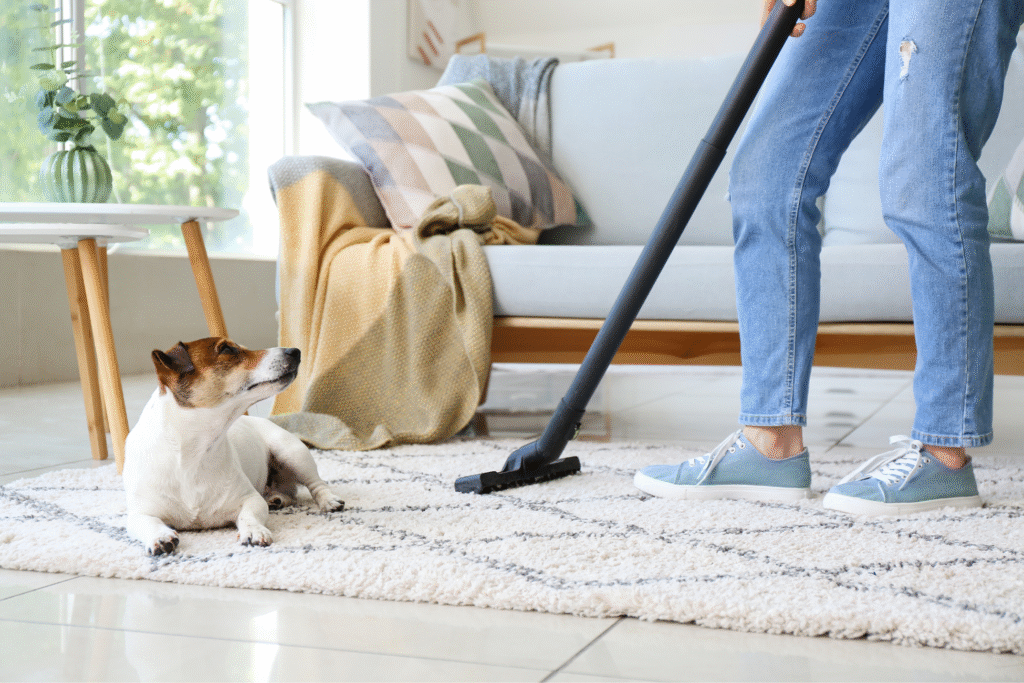
Being a landlord in Seattle means staying in tune with a market full of pet-loving tenants. In fact, nearly 60% of renters own pets—and in a pet-friendly city like Seattle, not allowing them could mean turning away great, long-term residents. But going pet-friendly doesn’t mean sacrificing your property or peace of mind. With smart policies and proactive planning, you can create a welcoming space for renters and their furry companions and increase your income.
Let’s talk about how you can do this right.
Why Go Pet-Friendly?
The rental market is competitive and standing out matters. Pet-friendly properties attract more applicants, reduce vacancy times, and often allow you to charge:
- Higher rent (Seattle pet owners are often willing to pay more to live in pet-friendly spaces)
- Pet deposits or non-refundable pet fees
- Pet rent (monthly surcharge per pet)
Going pet-friendly isn’t just good-hearted—it’s good business. Tenants with pets tend to stay longer, partly because pet-friendly housing options can be limited, making your property more desirable in the long run.
How to Create a Profitable Pet Policy
A great pet policy protects your property and keeps responsible tenants happy. Here are some key elements to include:
1. Define Which Pets Are Allowed
Be specific about:
- Types of pets (dogs, cats, birds, etc.)
- Breed or size restrictions (if any)
- Number of pets allowed per unit
Keep it fair but clear. If you’re unsure, speak to a property management professional to ensure your policy is both market-competitive and compliant with Fair Housing laws. If your property is a condo or sits within an HOA, check the association’s rules before finalizing anything. Many HOAs set their own pet restrictions, such as weight limits or a cap on the number of animals, and those rules apply on top of your own policy.
2. Set Clear Fees
You can protect your property and generate additional income by implementing:
- Pet deposits: Refundable if no damage is caused.
- Non-refundable pet fees: Non-refundable pet fees: For cleaning or turnover costs. Washington requires any non-refundable fee to be identified as non-refundable in the written rental agreement, and in Seattle it counts toward the one-month deposit-and-fee cap.
- Monthly pet rent: Typically, $25–$50 per pet.
These fees add up—without increasing your operating costs.
3. Require Pet Screening
Many Seattle landlords now use third-party pet screening services to:
- Verify pet health records
- Evaluate pet behavior
- Confirm tenant responsibility
This helps ensure you’re not dealing with untrained or risky pets. Pet screening applies only to actual pets. Service and assistance animals are exempt and cannot be run through a pet screening process or charged a screening fee.
4. Protect Your Property with Rules
Include pet-related rules in your lease such as:
- Leash requirements in common areas
- No pet waste left behind
- Restrictions on nuisance behaviors (barking, scratching, etc.)
These ground rules set expectations early and give you tools to enforce them.
5. Insurance Considerations
Make sure your insurance policy covers pet-related damage or incidents. Some providers exclude certain breeds or animals, so it’s important to double-check before finalizing your pet policy.
Service and Assistance Animals Are Not Pets
Before setting any pet fees or restrictions, it’s essential to understand that service animals and assistance animals, including emotional support animals, are not considered pets under the federal Fair Housing Act or the Washington Law Against Discrimination. That distinction changes what you can and can’t do.
For a tenant with a qualified assistance animal, you cannot charge a pet deposit, a non-refundable pet fee, or monthly pet rent. You also cannot apply breed, size, or number restrictions, and you cannot require the animal to go through pet screening. If a tenant’s disability or need for the animal isn’t obvious, you may request reliable documentation, but you cannot charge for the animal or deny it based on your standard pet policy.
The tenant remains responsible for any actual damage the animal causes, which can be handled through the standard security deposit. Treating an assistance animal as a regular pet is one of the most common and costly Fair Housing mistakes a landlord can make, so it’s worth building this exception into your policy from the start.
Seattle-Specific Considerations
Seattle is famously pet-friendly—with dog parks, walking trails, and a culture that embraces four-legged friends. Many apartment complexes already welcome pets, so if you don’t, you might fall behind.
But that doesn’t mean going pet-friendly should be reckless. It just means being strategic.
Seattle also has rules that shape what you can charge. The combined total of a tenant’s security deposit and any non-refundable move-in fees can’t exceed one month’s rent, and a pet damage deposit is limited to 25% of one month’s rent. Tenants also have the right to pay deposits and move-in fees in installments rather than all at once, so a policy built around large upfront charges may need to be structured around that. These caps apply in Seattle specifically, and other Puget Sound cities can set their own limits, so any policy should be checked against the rules where the property actually sits.
Here at SJA Property Management, we help property owners strike the perfect balance—making your property appealing to pet owners while protecting your investment. We can help you:
- Draft and enforce strong pet addendums
- Screen applicants and their pets
- Recommend the right pet fee structures
- Stay compliant with local and state regulations
More Pets = More Profit (When Done Right)
Opening your doors to pets doesn’t have to mean opening the floodgates to damage or problems. With a smart, proactive policy in place, it can actually lead to better tenants, longer leases, and higher profits.
Thinking of going pet-friendly but not sure where to start? Let’s help.
Reach out to SJA Property Management today—we’ll help you build a rental strategy that makes tails wag, and your bottom line grow.
Book a time or call (425) 658-1920 for a free consultation.
Frequently Asked Questions
Can a landlord charge both a pet deposit and pet rent in Seattle?
Yes, within limits. In Seattle a pet damage deposit is capped at 25% of one month’s rent, and the combined total of the security deposit and any non-refundable fees cannot exceed one month’s rent. Pet rent is a separate monthly charge, commonly $25 to $50 per pet. Tenants also have the right to pay deposits and move-in fees in installments rather than in a lump sum.
Can you charge a pet deposit or pet rent for a service or emotional support animal?
No. Service animals and emotional support animals are not considered pets under the Fair Housing Act or Washington law, so you cannot charge a pet deposit, a non-refundable pet fee, or pet rent for them, and you cannot apply breed, size, or number restrictions. If the disability or need for the animal is not obvious, you may request documentation, but the animal cannot be charged for or denied under a standard pet policy. The tenant remains responsible for any actual damage.
Are non-refundable pet fees legal in Washington?
Yes, but a non-refundable fee must be identified in writing as non-refundable in the rental agreement and cannot be labeled as a deposit. In Seattle, a non-refundable pet fee also counts toward the one-month cap on combined deposits and fees. A deposit, by contrast, is refundable to the extent it is not used to cover pet-related damage.
Can a landlord restrict certain dog breeds or the size of a pet?
Yes. Pets are not a protected class, so you can restrict the breeds, sizes, types, and number of pets you allow, as long as the policy is applied consistently. These restrictions cannot be applied to service or assistance animals. If the property is in a condo or HOA, the association may set its own breed or weight limits on top of your policy.
Disclaimer:
The information provided in this article is intended for general informational purposes only and does not constitute legal, financial, or professional advice. While we strive to ensure accuracy, SJA Property Management makes no warranties regarding the completeness or reliability of the information. For personalized guidance related to your rental property, please consult a licensed professional or reach out to our team directly.