
Last updated: April 2026. This article has been substantially rewritten with current Issaquah market data, 2026 Washington State legal requirements, and updated guidance for new landlords.
Becoming a landlord in Issaquah for the first time is genuinely exciting. The market is strong, the tenant base is well-qualified, and the long-term fundamentals of the Eastside rental market are compelling. What catches most new landlords off guard is not the property itself. It is the legal framework surrounding it.
Washington State’s landlord-tenant law has changed materially in the past two years. The 2026 legislative session added new disclosure requirements, updated eviction notice procedures, and introduced a statewide rent cap that affects how you price and plan your tenancy. Getting these right from the start is far easier than correcting them after a tenant dispute.
According to RentCafe’s 2026 Issaquah market data, the average apartment rent in Issaquah is $2,743 per month, approximately 41 percent above the national median. The market rewards well-managed, legally compliant properties with faster leasing and higher-quality tenants. Here is what every new Issaquah landlord needs to know heading into 2026.
1. Inspect the Property Thoroughly Before Listing
The original version of this article recommended getting a Fire Chief inspection before renting. That is still good practice for some property types, but the legal baseline is Washington State’s implied warranty of habitability under RCW 59.18.060, which requires every rental property to be fit for human habitation before a tenant takes possession.
A proper pre-listing inspection should confirm:
- All windows and doors open, close fully, and lock
- Every electrical outlet is functional. Bring a phone charger to test them all
- Water pressure and drainage are working at every sink, shower, and tub. Slow drains are the number one tenant complaint and almost always fixable in under an hour before move-in
- Heating is functional and capable of maintaining 68 degrees Fahrenheit minimum in living areas during cold weather. This is the legal standard under RCW 59.18.060, not a guideline
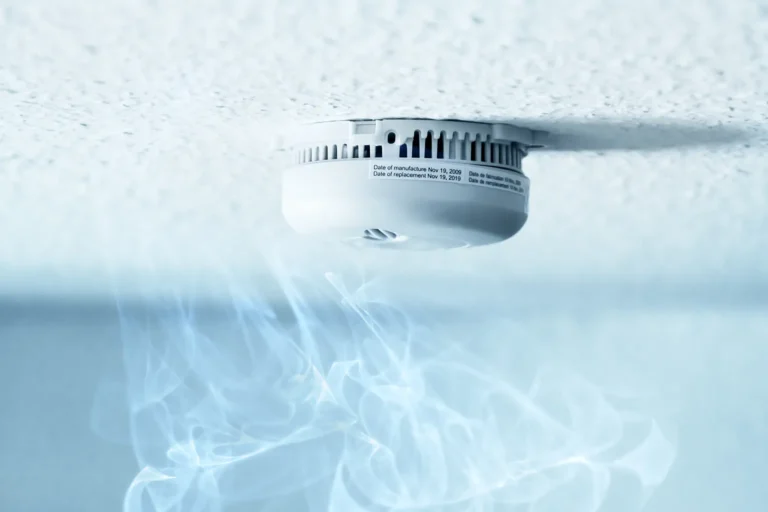
- Smoke alarms are installed inside every bedroom, outside each sleeping area, and on every floor. Carbon monoxide alarms are required in units with gas appliances or attached garages
- All entry locks are functional
Document everything with dated photographs before listing. This move-in documentation, signed by both you and the tenant before any deposit is collected, is legally required under RCW 59.18.260 and is your primary protection against deposit disputes at move-out.
2. Understand Washington's 2026 Rent Cap Before You Set Your First Rent
This is the most important new compliance item for first-time Issaquah landlords in 2026 and the one most people are unaware of. Under HB 1217, the maximum allowable annual rent increase during an existing tenancy in 2026 is 9.683 percent. This cap applies to increases during a tenancy, not to the initial rent you set when a unit is first occupied.
What this means practically for new landlords:
- The rent you charge your first tenant becomes the baseline from which all future capped increases are calculated. Underpricing at the start is difficult to correct quickly
- Set your initial rent at market rate from day one using current comparable data, not what you think sounds reasonable
- The cap does not apply during the first 12 months of a tenancy, and does not apply to newly constructed properties for the first 12 years
- You must still provide 60 days written notice before any rent increase regardless of the amount
For current Issaquah market pricing by unit type and neighborhood, see our Issaquah property management and investing guide, which includes 2026 rent data for studios through three-bedrooms across the Issaquah submarket.
Not sure what your Issaquah rental should rent for in 2026?
Getting the initial price right matters more than ever under the rent cap. SJA provides free rental estimates with current neighborhood-specific data for Issaquah properties. No obligation.
Get your free Issaquah rental estimate from SJA Property Management
3. Screen Tenants Rigorously and Follow Washington's Process Exactly
Tenant screening in Washington State is one of the most regulated parts of the landlord-tenant relationship, especially in King County. Getting it wrong can result in fair housing complaints, fines, and lawsuits. The original article’s advice to simply “screen tenants” significantly understates what is legally required.
- Written screening criteria required before accepting any application: You must give every applicant your complete written screening criteria before they submit an application or pay a fee
- First-qualified-applicant rule: Washington requires you to offer the unit to the first applicant who meets your written criteria. You cannot hold the unit for a preferred applicant. Document the time-stamped order applications are received
- Adverse action notice required: If you deny an application, you must provide written notice stating the reason
- Be rigid with your criteria: Applicants often have compelling personal circumstances. That is when the temptation to make exceptions is highest, and when the risk of inconsistent application is greatest. Apply the same standards to every applicant without exception
- Criminal history restrictions apply: Washington law limits when and how criminal records can factor into screening decisions. Review current rules before using any criminal background result to deny an applicant
4. Know Your Maintenance Obligations and Response Timelines
The original article mentioned setting money aside for repairs. That is still true, but new landlords also need to understand that Washington law sets specific repair deadlines that start the moment you receive written tenant notice of a problem.
RCW 59.18.070 requires:
- 24 hours: Flooding, sewage backup, loss of heat or water, any condition imminently hazardous to health or life
- 72 hours: Major plumbing fixture failure, landlord-supplied refrigerator or range stops working
- 10 days: All other non-emergency repairs
Missing these deadlines gives tenants legal remedies including repair-and-deduct, rent withholding through court escrow, and lease termination. For new landlords, the practical implication is straightforward: have a vetted, licensed, and insured contractor you can call before you ever have a tenant. Scrambling to find a plumber during a sewage backup is stressful and legally risky. Having a go-to vendor lined up in advance is one of the most important preparations you can make.
All vendors sent into your occupied rental must be licensed and insured. If an unlicensed contractor does work in your rental and something goes wrong, you as the landlord can be held liable.
5. Use a Compliant, Up-to-Date Lease and Required Disclosures
A generic lease template from the internet is almost certainly missing required elements under 2026 Washington law. A non-compliant lease can undermine your ability to enforce it in court or retain a security deposit. Your Issaquah residential lease must include:
- A signed move-in condition checklist before any deposit is collected
- Mold disclosure using Washington Department of Health approved materials
- Lead paint disclosure if the property was built before 1978
- Flood risk disclosure for any new lease signed after December 31, 2026. Check your property’s FEMA flood zone status if it is near any Issaquah waterway
- All deposits and fees clearly labeled as refundable deposits or non-refundable fees. Any charge labeled a deposit is legally refundable under Washington law
Washington law also changes regularly. Forms that were compliant two years ago may now be outdated. The Rental Housing Association of Washington (RHAWA) provides current, Washington-compliant lease forms updated for every legislative change. Membership is a modest annual cost and one of the best tools available to self-managing landlords in this state. For the full 2026 compliance picture, see our Washington Rental Law and Compliance Guide.
6. Get the Right Insurance
Landlord insurance is not the same as homeowner’s insurance. If you are renting a property covered only by a homeowner’s policy, you may find that policy does not cover damage or liability arising from a tenant’s occupancy. A proper landlord insurance policy covers structural repairs from sudden events, liability if a tenant or guest is injured on the property, and loss of rental income if the unit becomes uninhabitable due to a covered event.
For more on what landlord insurance should cover for an Issaquah rental property, see our property insurance guide for real estate investors. Also note: under Washington’s SB 6237, signed in 2026, your lease for any new tenancy after December 31, 2026 must inform tenants that your insurance does not cover their personal belongings and recommend they purchase renter’s insurance.
7. Know When Hiring an Issaquah Property Manager Makes Sense
The original article suggested hiring a property manager if you do not have the time. The real calculation in 2026 is more specific than that. Consider hiring a professional Issaquah property manager if any of the following apply:
- You work full-time and cannot reliably respond to maintenance requests within Washington’s legally required repair timelines
- You are not confident you can stay current on Washington landlord-tenant law, which changes materially most legislative sessions
- You live more than 20 to 30 minutes from the property and cannot be available for showings, walkthroughs, or emergencies
- You have more than one property and the cumulative management load is affecting quality across all of them
- You want the maximum long-term return and recognize that vacancy control, tenant quality, and legal compliance, done well, produce more income than the management fee costs
SJA has managed properties across Issaquah and the Eastside for 17 years. Our transparent pricing has no hidden fees. Our 8 written client guarantees back everything we do. Trusted by 1,000 or more homeowners across the Puget Sound. 800 or more five-star reviews.
New to landlording in Issaquah and want to get the legal and operational basics right from day one?
SJA offers a free, no-obligation consultation for new Issaquah property owners. We can walk you through current compliance requirements and what professionally managed income looks like for your specific property.
Schedule a free consultation with SJA’s Issaquah property management team
Disclaimer: This article is intended for informational purposes only and does not constitute legal advice. Washington State laws referenced are current as of April 2026 and subject to change. Consult a qualified Washington State landlord-tenant attorney for guidance specific to your situation.