
Last updated: June 2026. This article has been revised to reflect current Washington State law, corrected heating temperature requirements, 2026 legislative changes, and updated compliance obligations for Sammamish landlords.
Renting property in Sammamish means operating under Washington State’s Residential Landlord-Tenant Act (RCW 59.18), which sets specific legal obligations that apply regardless of what your lease says. Most Sammamish landlords know they need to collect rent and maintain the property. Fewer know the specific legal standards behind each obligation, and the 2026 legislative session added several new ones. Here is what the law actually requires, updated for 2026.
1. Provide and Maintain a Habitable Unit
This is the foundation of every landlord’s legal obligation under RCW 59.18.060, Washington’s implied warranty of habitability. It requires landlords to maintain every rental in a condition fit for human habitation at all times. This obligation cannot be waived by lease language or tenant agreement.
Specifically, you must:
- Keep the structure weather-tight: roof, walls, windows, and doors must prevent water and air intrusion
- Maintain functional plumbing with hot and cold running water at all times
- Maintain functional heating that keeps living areas adequately warm during cold weather. RCW 59.18.060 requires the landlord to keep heating facilities in reasonably good working order, but it does not set a specific minimum temperature. Numeric standards such as a 68 degree daytime minimum come from local housing codes, most notably Seattle’s, so a Sammamish rental should be measured against the codes that apply locally
- Keep electrical systems in safe working order
- Maintain functioning locks on all entry doors and windows
- Address pest infestations promptly after written tenant notice. Whether it is rodents, cockroaches, or other infestations, pest control in an occupied unit is the landlord’s responsibility under state law
- Provide adequate garbage and waste removal services for your tenants. For multi-unit properties, this typically means arranging dumpster service through the
For multi-unit Sammamish properties, coordinate refuse service through the City of Sammamish utilities and services page, which provides current information on waste collection programs available in the city.
Once a tenant provides written notice of a habitability issue, RCW 59.18.070 sets specific repair deadlines: 24 hours for emergencies such as flooding, sewage backup, or loss of heat; 72 hours for major plumbing or appliance failures; and 10 days for all other repairs. Missing these windows gives tenants legal remedies including repair-and-deduct and, in serious cases, lease termination.
2. Install and Maintain Required Safety Devices
Under RCW 59.18.060 and Washington State’s building code, every Sammamish rental must have:
- Smoke alarms inside every bedroom, outside each sleeping area, and on every floor including basements and habitable attics. They must be functional at move-in
- Carbon monoxide alarms in all units with fossil fuel-burning appliances or attached garages. CO alarms are required in every rental that has these features
- Written fire safety notice at lease signing, confirming that smoke detection devices are installed and informing the tenant of their responsibility to maintain them during the tenancy, including battery replacement
3. Provide Required Disclosures at Move-In
Washington law requires landlords to provide specific written disclosures to every tenant at move-in. Missing any of these is a compliance violation that can affect your ability to enforce lease terms or retain deposits:
- Move-in condition checklist: Under RCW 59.18.260, a written checklist documenting the condition of the property must be signed by both parties before any deposit is collected. Without a signed checklist, you cannot legally deduct from the security deposit for damage, regardless of its extent
- Mold information: Under RCW 59.18.060(13), you must provide every tenant with written information from the Washington State Department of Health about indoor mold health hazards at move-in. This must use materials approved by the DOH
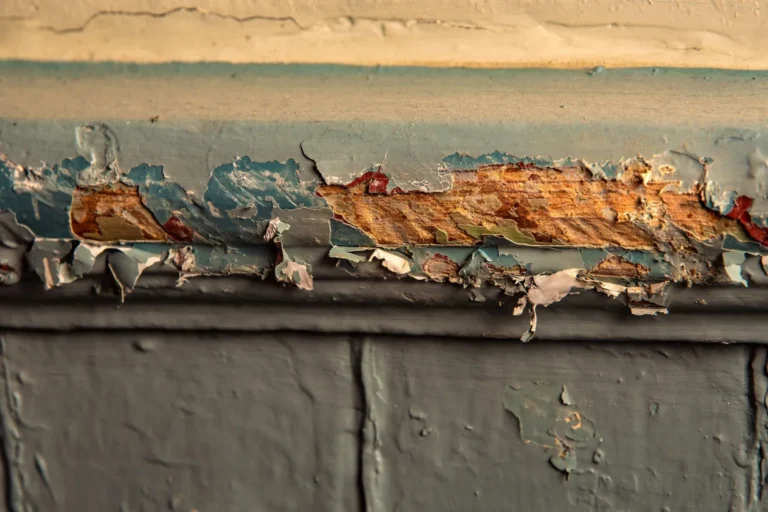
- Lead paint disclosure: If your Sammamish property was built before 1978, federal law requires written disclosure of any known lead-based paint or hazards before lease signing, plus the EPA-approved lead hazard information pamphlet
- Flood risk disclosure (new for leases after December 31, 2026): Under SB 6237, signed by Governor Ferguson in 2026, all new residential leases executed after December 31, 2026 must include written flood risk disclosure. Given Sammamish’s lakes, wetlands, and Sammamish River corridor, check whether your property falls within a FEMA-designated flood zone. The disclosure must state the property may be in a flood hazard area, note that the landlord’s insurance does not cover tenant personal property, and direct tenants to county hazard resources
Not sure if your Sammamish lease includes all required 2026 disclosures?
SJA’s leases are attorney-reviewed and updated for every legislative change. A free consultation will quickly identify any gaps in your current documentation before they become disputes.
Schedule a free consultation with SJA’s Sammamish property management team
4. Follow Proper Notice Procedures
Washington law governs how and when landlords can contact, enter, and serve notices to tenants. These are not suggestions; violations of notice requirements give tenants legal claims against you:
- Entry notice: You must provide at least 48 hours written advance notice before entering a tenant’s unit for non-emergency inspections or repairs. In emergencies you may enter without notice, but document the emergency immediately in writing
- Rent increase notice: Washington State requires a minimum of 90 days written notice before any rent increase. There is no exception for smaller increases. All increases must also comply with Washington’s 2026 rent cap of 9.683 percent for increases during an existing tenancy under HB 1217 (Washington Department of Commerce)
- Eviction notices (updated June 11, 2026): HB 2664 removes the certified mail requirement for eviction-related notices effective June 11, 2026. After that date, first-class mail to the tenant’s place of residence is the compliant mailing method. Every termination notice must still include the exact calendar date by which the tenant must comply or vacate. Personal service remains the preferred first attempt. See our Washington landlord notice requirements guide
- Deposit return: Deposit return: After a tenancy ends, you have 30 days to return the security deposit or provide a written itemized statement of deductions. RCW 59.18.280 was amended in 2023 to extend this window from 21 days to 30 days.. The deposit account location must be disclosed to the tenant in writing at move-in
5. Use a Legally Compliant Written Lease
The original article’s suggestion to “read RCW Title 59” is accurate but understates the practical requirement: every Sammamish rental must have a written lease that reflects current Washington law, and that lease must be updated whenever the law changes.
A compliant 2026 Sammamish residential lease must include:
- All required disclosures listed in Requirement 3 above, integrated directly into the lease or as signed addenda
- Security deposit and fee terms, with all charges clearly labeled as refundable deposits or non-refundable fees under RCW 59.18.285. Any charge labeled a “deposit” is legally refundable, period
- Flood risk disclosure language for leases signed after December 31, 2026
- Pet policy and pet addendum if applicable, with charges correctly labeled
- Rent terms, including the rent amount, due date, and late fee structure
Generic lease templates downloaded from the internet will be missing required 2026 elements. SJA’s leases are attorney-reviewed and updated for every statutory change, including the flood disclosure requirement that takes effect at the start of 2027 for new Sammamish leases. For a complete overview of legal requirements for renting in Sammamish, see our full Sammamish landlord legal requirements guide, and for the complete 2026 Washington compliance picture, our Washington 2026 Rental Law and Compliance Guide.
The Bottom Line
Washington’s landlord obligations have grown meaningfully in the past two years. The five categories above have always existed, but their specific requirements under current law are more detailed and more consequential than they were when this article was first written. The 2026 legislative session added a flood disclosure requirement, updated eviction notice procedures, and imposed a statewide rent increase cap that affects how Sammamish landlords plan pricing across a tenancy.
The landlords who stay out of legal trouble in Sammamish are the ones using current, attorney-reviewed leases, following proper notice procedures for every communication, documenting every move-in and move-out thoroughly, and making repairs within the legally required timeframes. For a practical resource on what professional Sammamish property management looks like, and how it protects you from the most common compliance failures, see our full-service property management overview and our transparent pricing structure.
Want to make sure your Sammamish rental is fully compliant with 2026 Washington law?
SJA has managed Sammamish and Eastside properties for 17 years. Trusted by 1,000+ homeowners. 800+ five-star reviews. Start with a free rental estimate, no obligation.
Get your free Sammamish rental estimate from SJA Property Management
Disclaimer: This article is intended for informational purposes only and does not constitute legal advice. Washington State law references are current as of April 2026 and subject to change. Consult a qualified Washington State landlord-tenant attorney for guidance specific to your situation.