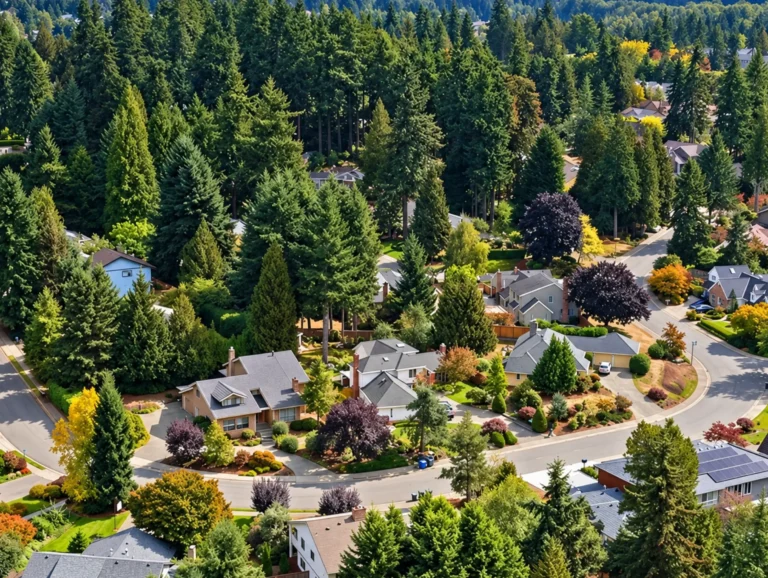

Seattle has long been a cultural and technological hub of the Pacific Northwest. Because of this, it is a magnet for renters, and ranks as one of the most expensive cities in the U.S. As the cost of housing, transportation, and daily necessities continues to rise, renters are forced to be more selective about where they live—and what they’re willing to pay.
For rental property owners, understanding Seattle’s cost of living and how it impacts renters is essential.
In this guide, we’ll break down how the cost of living in Seattle is impacting renters and how it affects rental pricing, upgrades, and long-term investment strategies.
Key takeaways
- Seattle’s cost of living is 45% higher than the national average, with housing alone costing over 100% more than the U.S. average.
- Renters are highly cost-conscious, prioritizing affordability, transit access, and energy-efficient features.
- Utilities, groceries, and services add $1,500–$2,000/month in expenses on top of rent.
Working with a local property management partner can help you price competitively, comply with changing regulations, and improve long-term returns.
How expensive is it to live in Seattle today?
Seattle is one of the most expensive cities in the United States. The cost of living is 8% higher than the state average and 45% higher than the national average. Seattle is among the most expensive urban centres in the U.S., especially when it comes to housing.
According to Apartments.com cost of living data, housing in Seattle runs roughly double the national average, at 106% above it, with monthly rent falling between $1,504 and $3,935 depending on unit size. Groceries carry a 10.7% premium and transportation runs 34.9% above the national average. Utilities are the one bright spot, sitting slightly below the national norm, though that does little to offset the housing gap.
What’s driving the high cost of living in Seattle?
What is causing the high cost of living in Seattle? There are several factors contributing to the elevated costs:
- The demand for housing is outpacing the supply.
- As the tech industry continues to expand into Seattle, a well-paid workforce willing to pay a premium also expands.
- Seattle’s geography limits buildable land, naturally increasing real estate values.
What this means for rental property owners
The cost of living has a direct impact on how landlords approach pricing strategies, tenant turnover, and long-term returns. A climbing cost of living correlates to more discerning tenants. They’re on the lookout for rental properties that balance affordability, quality, and convenience.
To stay competitive:
- Prices should reflect market conditions and perceived value.
- Properties should be well-maintained, energy-efficient, and located in high-demand areas.
- Landlords must employ strategic rent increases.
Working with a property management company can help you stay on top of the local market, price your rental, and ensure your property remains competitive in Seattle’s rental landscape.
Seattle housing market trends in 2026
Median rent prices in Seattle
Seattle renters pay some of the highest rent prices in the Pacific Northwest. As of June 2026, average rental rates in Seattle per Apartments.com are:
| Unit Type | Average Rent | Average Size |
|---|---|---|
| Studio | $1,504/month | 404 sq ft |
| One bedroom | $2,112/month | 650 sq ft |
| Two bedroom | $2,841/month | 940 sq ft |
| Three bedroom | $3,935/month | 1,219 sq ft |
Source: Apartments.com rental market data, June 2026. Figures reflect apartment averages.
Overall average rent in Seattle sits at $2,112 per month, about 28% above the national average, and is down slightly from a year ago, the first meaningful dip after years of steady climbs.
Tip from SJA Property Management:
To price your rental competitively in today’s market:
- Start by comparing units in your specific neighbourhood and building type.
- Factor in updates, amenities, and tenant demand.
- Avoid the common pitfall of overpricing—a slightly below-market rate can reduce vacancy periods and improve long-term ROI.
Not sure where to start? We offer a free rental pricing analysis to help owners optimize pricing and attract the right tenants.
What do renters pay for utilities in Seattle?
Average monthly utility costs in Seattle (2026)
In 2026, the average cost for utilities in a Seattle rental unit can vary anywhere from $450 to $650 per month depending on the size, location, and number of occupants in any given rental. Here’s a look at the average costs:
- Electricity – $218/month estimated monthly cost
- Gas/oil – $100–$150/month estimated monthly cost
- Water and sewage – $140-$170/month estimated monthly cost
- Internet – $78/month estimated monthly cost
Should you include utilities in the rent?
Pros of including utilities in rent:
- Simplifies billing for tenants.
- Can make you stand out in a saturated market.
- Allows you to charge a premium for bundled rent.
Cons of including utilities in rent:
- You take on the risk of rising utility bills or excessive usage.
- Can lead to less mindful consumption by tenants.
- Can reduce transparency if tenants are used to knowing how much of their money is spent on rent versus utilities.
Our tip for owners: If you decide to include utilities in rent, consider setting a monthly cap in lease. For example, “Landlord will cover up to $300/month in utilities”. Alternatively, you can only include certain utilities (like water and garbage) while leaving others that fluctuate more (like electricity and internet) to the tenant. These hybrid models offer more flexibility and control.
Daily living costs in Seattle: What renters pay in addition to rent
While housing is the biggest expense for the large majority of Seattle residents, there are many other expenses renters need to cover each month. These costs impact what tenants can afford and expect from their rental.
Transportation
Seattle is a well-connected city, but it isn’t always cheap to get around:
- Public transit can cost ~$99/month for a standard adult ORCA pass that gives you access to buses, light rail, and streetcars.
- Gas and parking costs are high—you can expect to pay at least $250/month just for parking.
- Even insurance premiums in Seattle are higher than the national rate thanks to the dense traffic and theft risk.
Everyday expenses
Living in an urban center like Seattle comes with higher-than-average living costs including:
| Expense | Cost | vs. National Average |
|---|---|---|
| Groceries | $768/month | +10.7% |
| Healthcare | $171/month | +17.1% |
| Haircut | $52.83/service | +89% |
| Yoga class | $26.00/class | +31% |
| Veterinary services | $93.15/visit | +29% |
| Goods and services | $1,258/month | +25.4% |
Source: Apartments.com cost of living data for renter households, June 2026.
Seattle’s rent regulations and what they mean for landlords
HB 1217 and 2025’s rent increase limit
In May 2025, Washington state passed House Bill (HB) 1217 in order to increase stability for tenants by introducing limits to rent increases. HB 1217 caps rent increases on covered units at 7% plus inflation or 10%, whichever is lower.
For 2026, the statewide cap is 9.683%, as set by the state’s Department of Commerce. The 2027 cap is 10%. The figure resets each year at whichever is lower, 7% plus inflation or 10%, and applies to covered units within an existing tenancy. Newer construction and certain owner-occupied properties sit outside the cap.
Additionally, landlords are required to give tenants at least 180 days’ notice before raising rent. Washington requires 90 days of notice statewide, and Seattle landlords follow the longer local period.
Stay compliant and protected with local expertise
As we’ve seen with the recent changes, Seattle’s tenant regulations change quickly. A small misstep can result in costly fines, tenant complaints, and damage to your professional reputation.
Working with a Seattle-based property manager means you’ll stay compliant—and strategic. From handling notices to navigating new regulations and setting rent increases, a knowledgeable partner can help you manage your risk and maintain your bottom line.
Is Seattle still a good place to own rental property?
What’s driving long-term demand?
The nature of Seattle as a large urban center continues to support the strong need for rental properties:
- The booming tech sector is a major economic driver, bringing in skilled workers from across the country.
- Employers like Amazon, Microsoft, and Google anchor the region’s job market.
- Seattle is a prime destination for students, international professionals, and remote workers, groups who rely on rental housing.
- The area’s limited housing supply and geographic constraints help keep property values high.
Making the right decisions in a high-cost market
The high cost of living along with rising interest rates and new regulations mean landlords need to be more strategic than ever before. Successful rental property owners are:
- Upgrading units to meet tenant expectations and justify higher rents.
- Factoring in cost-of-living pressures when planning rent increases to avoid potential tenant turnover.
- Working with local property managers to stay compliant and responsive to changes in the market.
Why landlords should care about cost of living data
From pricing and tenant expectations to vacancy risk and upgrade decisions, Seattle’s high cost of living plays a role in every aspect of rental ownership.
When you understand the city’s rental trends, living costs, evolving regulations, you can set competitive rents, invest in ROI-boosting upgrades, and retain high-quality tenants.
Seattle may not be the easiest rental market to manage, but it is resilient and full of opportunities. For landlords willing to put in the effort, it can be a worthwhile investment.
Looking to maximize your rental income in the Seattle area? SJA Property Management can help you price and manage your property to stay ahead of the competition. Contact us today to book your free consultation.
Cost of living in Seattle FAQs
Is Seattle expensive to live in?
Yes, Seattle is expensive to live in Seattle. It is considered one of the most expensive U.S. cities, with housing, transportation, and everyday costs well above the national average.
How much do groceries cost per month in Seattle?
Groceries for a renter household in Seattle average around $768 per month, about 10.7% higher than the national average. A single person shopping carefully can come in well under that.
Is Seattle a good place to live?
How much does it cost to rent an apartment in Seattle?
Average rent in Seattle is about $2,112 per month as of mid-2026, roughly 28% above the national average. By unit size, studios average around $1,504, one-bedrooms $2,112, two-bedrooms $2,841, and three-bedrooms $3,935. Houses and townhomes run higher, and rents vary widely by neighborhood, with the most expensive areas commanding roughly double the most affordable ones.
What salary do you need to live comfortably in Seattle?
Using the standard guideline of spending no more than 30% of income on housing, the average Seattle rent requires roughly $85,000 a year. Living comfortably as a single adult, with room for savings and the city’s above-average daily costs, generally takes a salary closer to $110,000 before taxes. For landlords, this is the practical screening context: the tenant pool at typical Seattle rents skews toward higher-income professionals, which shapes both demand and expectations.